
What makes a fun, safe, and functional playground?
Ground Cover
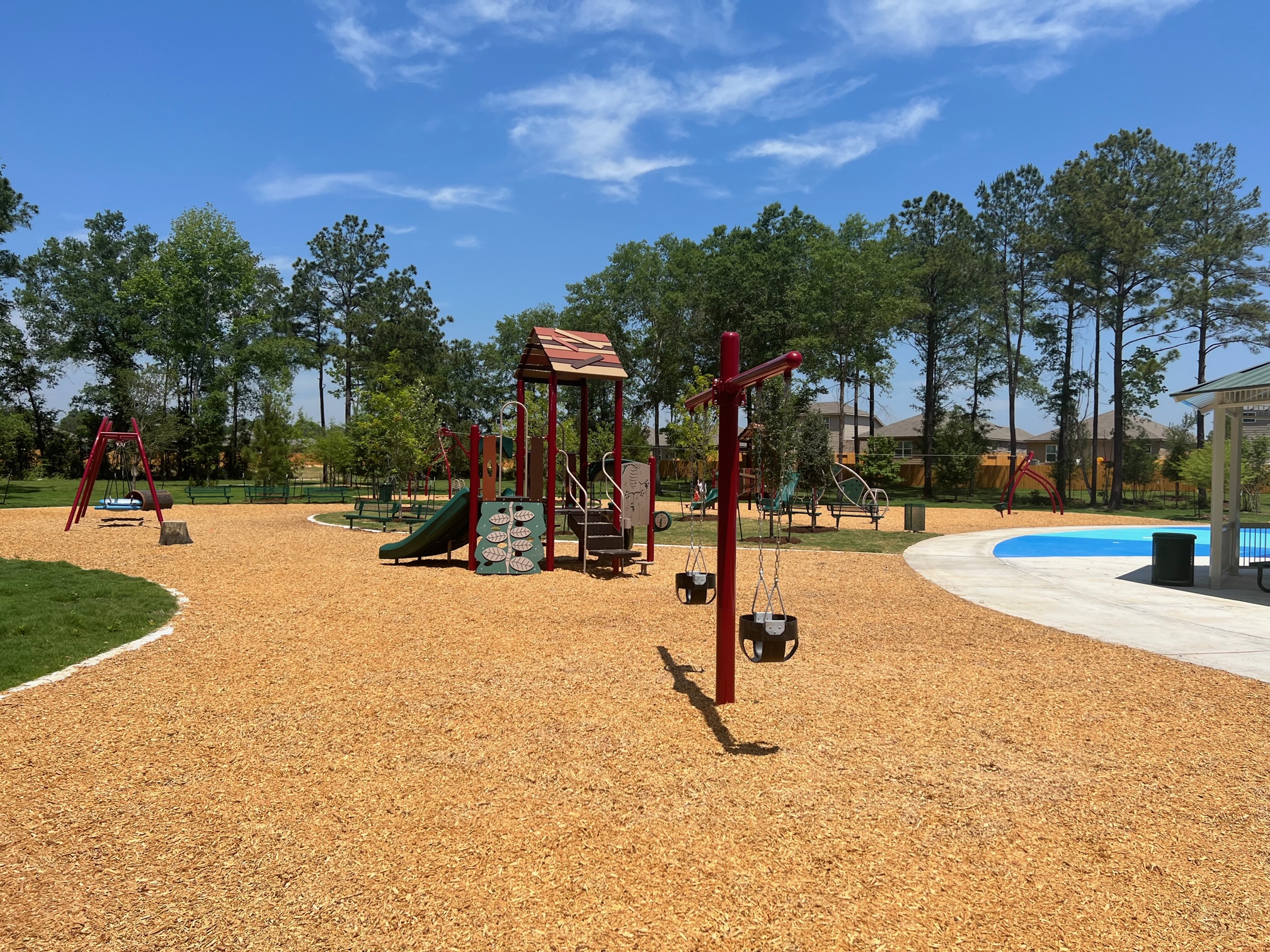
What makes or brakes a playground? What’s underneath it! Nothing takes away the fun factor more than an injury and the number one cause of harm on playgrounds is injuries due to falls.
There are two categories of ground cover:
- Loose-Fill Materials – This system can be less costly but much higher in maintenance as these materials must be replenished periodically. The materials that can be used include wood products, sand, pea gravel, and crumb rubber.
- Unitary Surface Materials – This system is more costly but usually requires less maintenance as it is a “stay-in-place” system. The materials that can be used include rubber tiles, pour-in-place, and synthetic surfaces.
Even though the above materials are ADA compliant, that is not all to consider. The equipment height influences the impact and therefore which fall surface is appropriate to use for each play area. Research shows that equipment more than 5 feet high doubles the probability of injury. Each fall surface is tested to determine its maximum fall height; however, loose-fill fall materials can be tricky because adjusting the depth of the material can increase or decrease its ability for potential maximum fall height. The Consumer Product Safety Commission (CPSC) Handbook for Public Playground Safety offers several guidelines based on material and fall height that can help navigate the decision for which fall material to use for each specific play area. It also provides useful tips on maintenance and care for whatever material is used, which is a must for sustaining a safe place for children to play.
Observation Benches
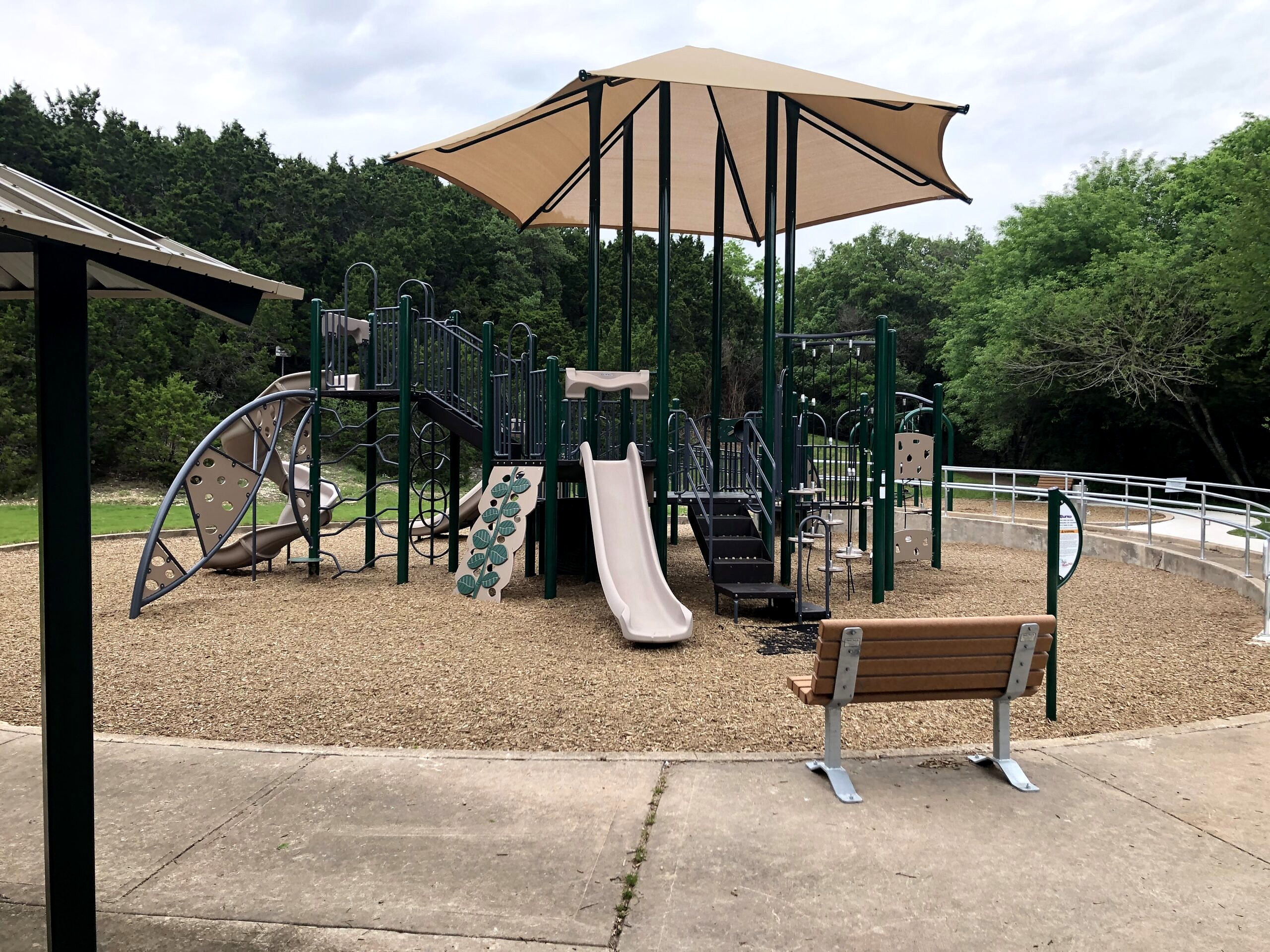
Observing your child at the playground provides a window into their developmental progress while keeping them safe. Vigilant watching prevents falls or collisions since your children lack the cognitive ability to recognize hazards. It also reveals their social skills, problem-solving strategies, and emerging interests.
These three factors give us insight into why observation is important.
Safety and Risk Management
- Instant Hazard Prevention – Young kids are still developing the ability to spot dangers. Active supervision and intentional observation are crucial to preventing injuries from falls or misjudged jumps.
- Intervene in Conflicts – Observing lets you step into mediate before peer disagreements escalate into biting, pushing, or prolonged tantrums.
Developmental Insights
- Social and Emotional Growth – Watching how your child interacts with others, as in sharing toys, cooperating in games, etc., highlights their emotional regulation and socialization skills.
- Cognitive and Motor Skills – You can see which physical challenges they conquer easily and where they might need encouragement or support. It also highlights their creativity and imagination when they turn play structures into pretend worlds.
Strengthening Connection
- Child-Led Learning – Taking a step back to observe lets you learn about your child’s unique personality and interests without interrupting their “flow”.
- Spotting Concerns – Regular observation provides a baseline for normal behavior, helping you identify and celebrate developmental milestones or recognize areas of concern early.
For more insights into the importance of observing the stages of play and interpreting them, you can review expert child development resources on The Genius of Play.
Engaging Structures
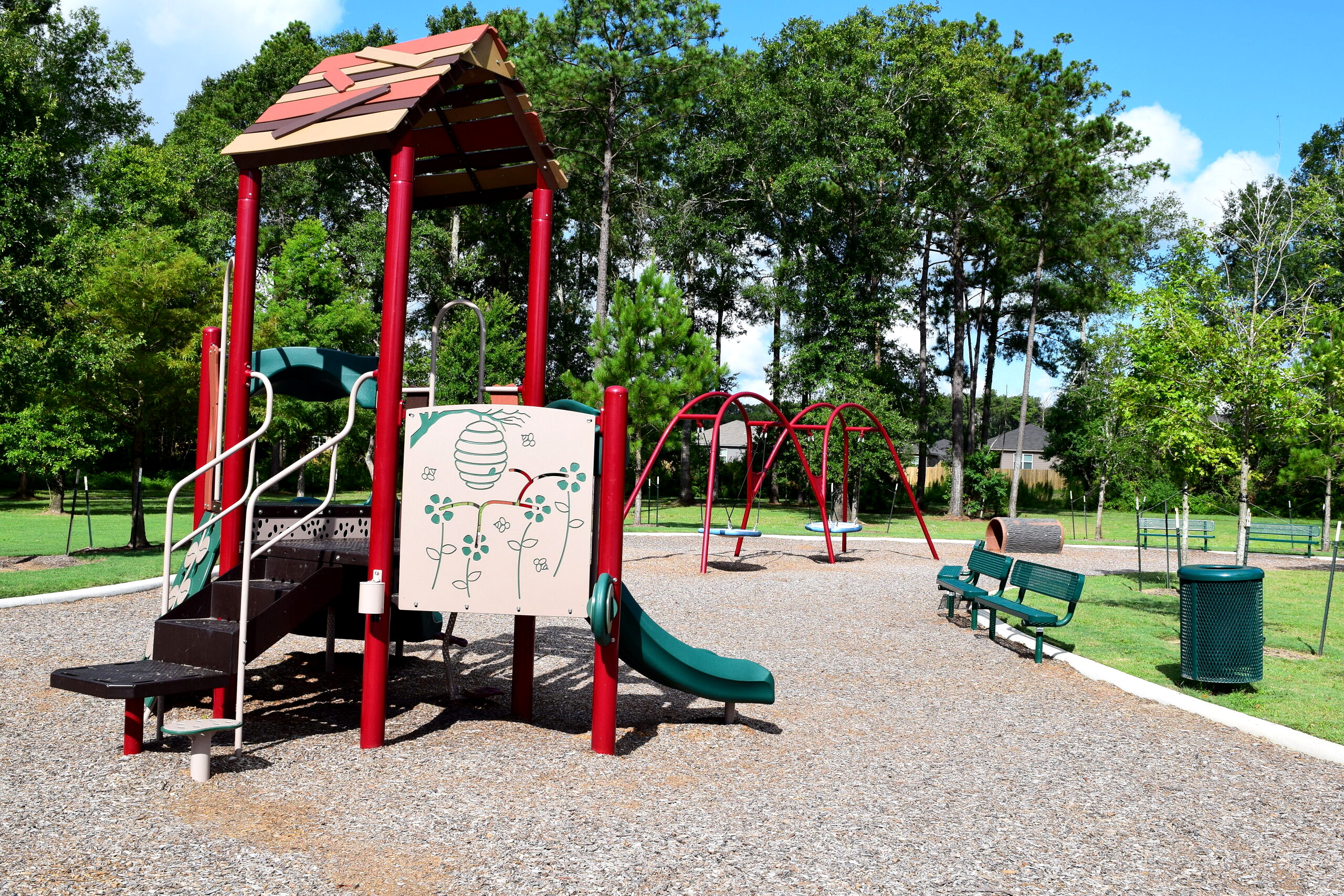
Challenging playground equipment is essential for healthy child development. It encourages “risky play”, such as climbing, swinging, and balancing, which helps children learn to assess personal capabilities, overcome fears, and build resilience. Without these opportunities, children are more prone to anxiety, obesity, and a lack of self-confidence.
The developmental benefits of challenging playgrounds are categorized into physical, cognitive, and emotional domains:
- Physical Growth and Coordination – Navigating complex structures boosts gross motor skills, proprioception (body awareness), and overall cardiovascular fitness. Physical challenges require children to test their strength, agility, and balance daily.
- Risk Assessment and Independence – By facing perceived risks, children figure out their own limits safely. They learn to make informed decisions about what they can safely attempt, which minimizes future hazards and builds autonomy.
- Resilience and Emotional Regulation – Pushing beyond their comfort zones teaches children to manage fear and frustration. Successfully overcoming these obstacles dramatically increases self-esteem, while handling minor, inevitable setbacks builds perseverance.
- Social Development – Challenging spaces draw larger groups of children, fostering cooperation, rule negotiation, and conflict resolution.
Expert pediatric and play organizations emphasize that proper safety is not the complete removal of risk, but rather the effective management of it. To understand the psychology and science behind balancing these risks, you can explore the National Center for Biotechnology Information (NCBI) Healthy Childhood Development Through Outdoor Risky Play. Children need obstacles to overcome for their mental, physical, and emotional wellbeing. The key is to provide those challenges while also providing a safe environment to experience them in.
Inclusive Play
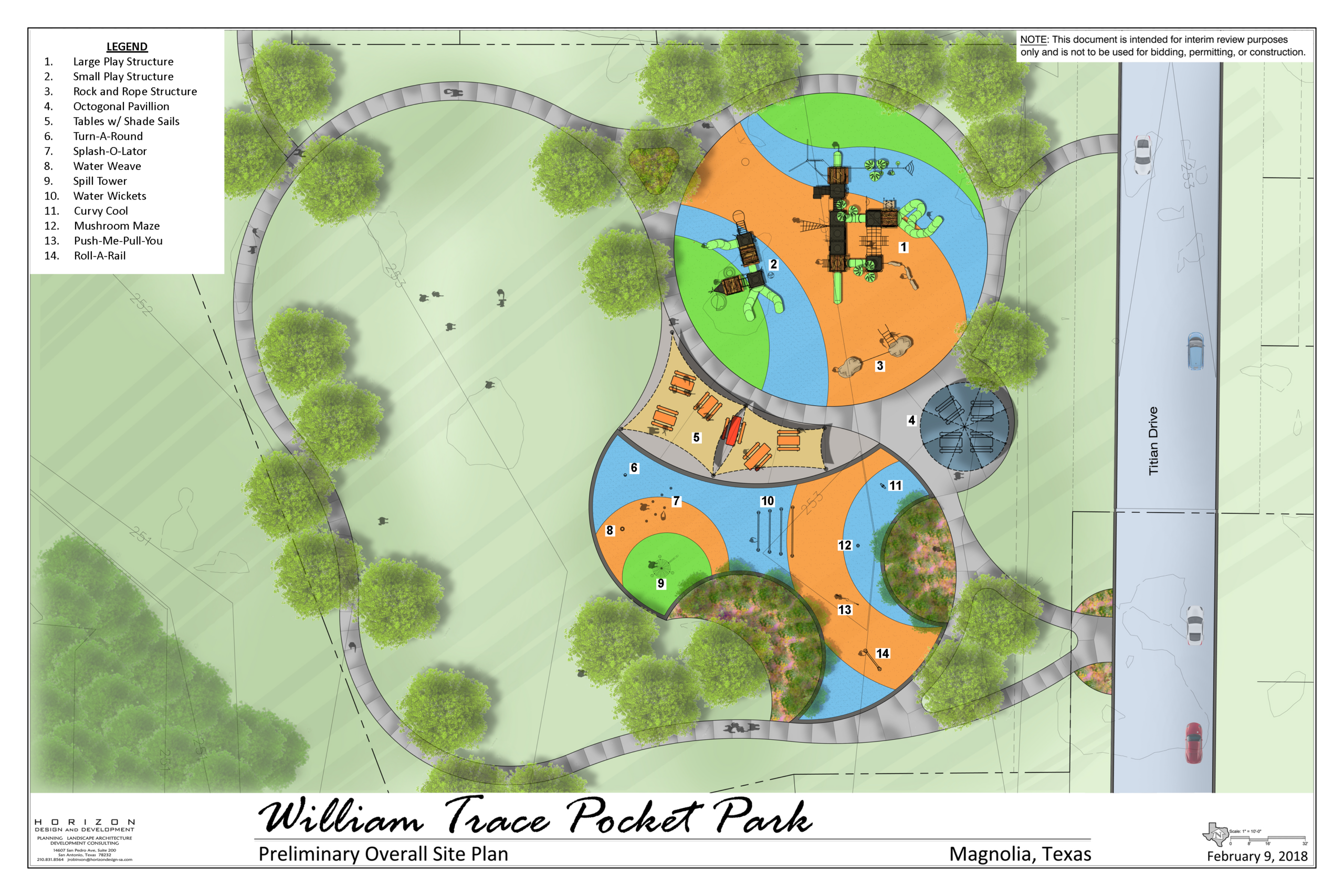
Inclusive playgrounds provide equal, sensory-rich play opportunities for children of all abilities. They are vital because they remove physical and social barriers, preventing isolation while boosting cognitive, emotional, and motor development for both typically developing children and those with disabilities.
These spaces are transformative for a community’s development for several distinct reasons:
Fosters Social Integration and Empathy
- Prevents Isolation – Inclusive play settings are essential for children with disabilities who are at higher risk for bullying and isolation.
- Builds Friendships – By placing children of varying abilities in the same sandbox, swing set, or climbing frame, these spaces encourage cooperation and naturally dissolve stigmas.
- Develops Empathy – Children without disabilities learn how to work out conflicts respectfully, listen to peers with unique needs, and celebrate differences.
Promotes Physical and Cognitive Development
- Sensory Engagement – Features like tactile panels, auditory elements (music), and water/sand play allow children with high sensory needs to regulate their bodies safely.
- Motor Skills – Adaptive, modified equipment, such as soft-play structures, ramp-accessible climbing frames, and high-backed swings, empowers children of varying mobility needs to challenge themselves.
- Independence – Experiencing success on playground equipment boosts self-esteem and resilience, helping children tackle cognitive challenges at their own pace.
Benefits the Whole Family
- Multigenerational Engagement – Inclusive playgrounds go beyond the children. They serve as spaces where parents or grandparents with physical limitations can comfortably, and actively, engage in playtime with the kids.
- Safe Environments – Many inclusive spaces use fencing, logical play zones, and smooth, continuous surfaces (like synthetic turf or rubber), making it easier to navigate with mobility aids while keeping wandering children safe.
To learn more about all-inclusive play design and its impact for children, visit the Inclusion In Playgrounds guide.
Fun Experience
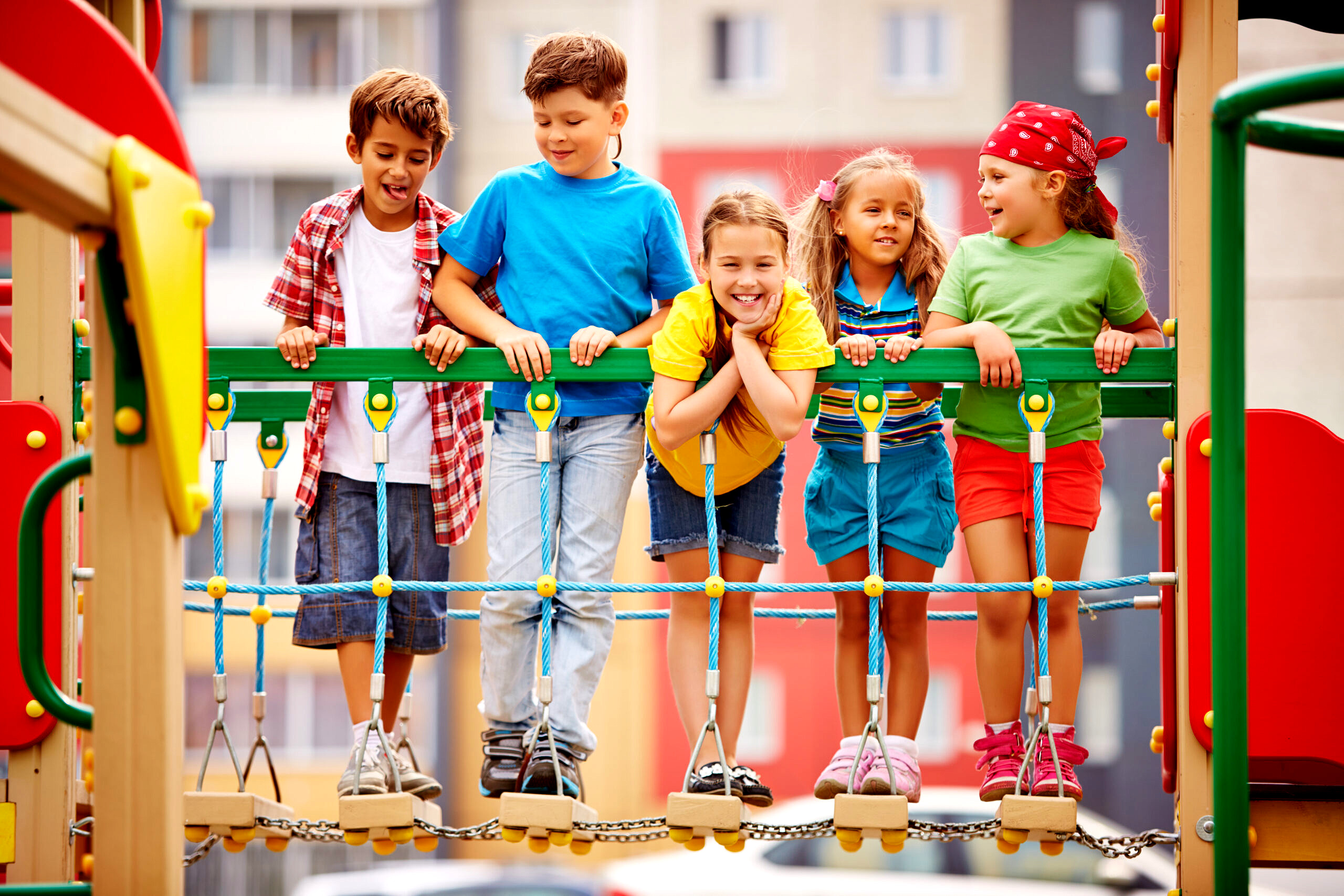
Who doesn’t want to have a good time? Having fun playground experiences for all are essential because they promote vital physical, cognitive, and social-emotional development. By fostering an environment that has sufficient ground cover, adequate observation locations, challenging structures for varying abilities, and accessible entry for all potential participants; you have designed a safe space for all to come and enjoy the experience of self-stimulation and group participation at the same time. What better way to spend the day than creating meaningful and lasting memories for you and your children.